Smart Farming Essentials: Top 5 IoT Devices to Boost Your Farm’s Intelligence
The future of farming is not just mechanized — it is intelligent. With rising climate uncertainties, increasing production costs, and the pressure to feed a growing population, farmers are turning to technology that gives them real-time insight and control over their farms.
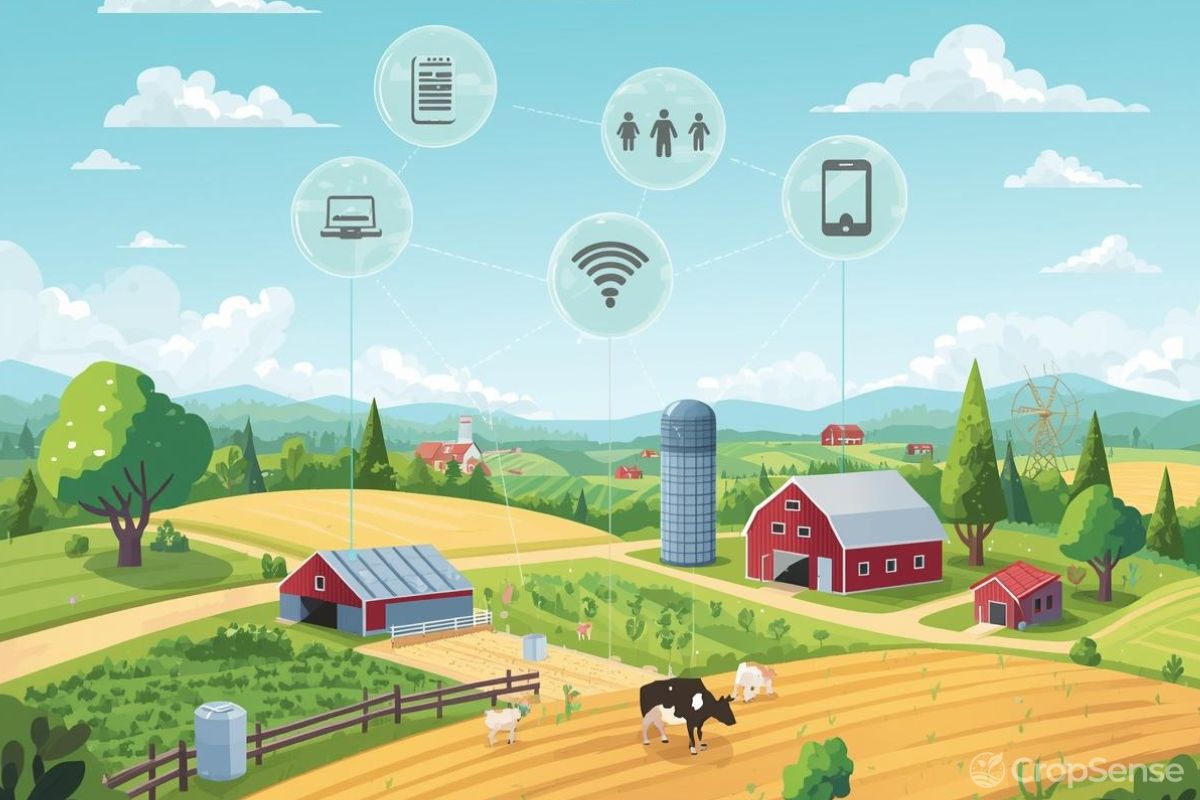
At the heart of this transformation is the Internet of Things (IoT): a network of connected devices that collect, analyze, and transmit critical field data. These devices allow farmers to make smarter decisions, reduce waste, and maximize yield.
Here are five essential IoT devices every smart farm should consider integrating.
1. Soil Moisture & Nutrient Testing Sensors
The soil is the foundation of any successful farm. Yet many farmers still rely on guesswork when it comes to irrigation and fertilization. Soil moisture and nutrient sensors eliminate this uncertainty.
These devices are placed in the ground to measure:
- Moisture levels
- pH values
- Nutrient content such as nitrogen, phosphorus, and potassium
- Soil temperature
The data is sent in real time to a mobile or web dashboard. This allows farmers to:
- Prevent overwatering or underwatering
- Apply fertilizer only where needed
- Improve soil health over time
- Increase crop yield while reducing input costs
When integrated with CropSense AI, this data can be used to generate crop-specific recommendations and predictive insights.
2. Smart Irrigation Systems
Water is one of the most valuable and misused resources in agriculture. Smart irrigation systems use IoT technology to distribute the right amount of water, at the right time, in the right place.
These systems often combine:
- Automated valves and pumps
- Soil moisture sensor data
- Weather forecasts
- Predefined crop water requirements
Instead of fixed schedules, irrigation decisions are made dynamically. This helps farmers:
- Conserve water
- Reduce energy costs
- Prevent root diseases caused by over-irrigation
- Improve crop quality and consistency
In water-scarce regions, this type of system is not just innovative — it is essential.
3. On-Farm Weather Stations
Weather conditions directly affect crop growth, pest populations, irrigation planning, and disease risk. IoT-based weather stations provide hyper-local climate data specific to your farm location.
These stations typically track:
- Temperature
- Humidity
- Rainfall
- Wind speed and direction
- Solar radiation
With this data, farmers can:
- Make informed decisions about planting and harvesting
- Predict frost, drought, or heat stress conditions
- Schedule spraying at optimal times
- Anticipate disease outbreak conditions
This local accuracy is far more reliable than general weather forecasts and can significantly improve planning precision.
4. Pest & Disease Monitoring Sensors
Pest and disease outbreaks can destroy a farm in a short time if not detected early. IoT pest monitoring systems use a combination of sensors, traps, and imaging to identify potential threats.
These devices can:
- Monitor insect populations
- Detect changes in plant health
- Use AI vision to spot early disease symptoms
- Send alerts when thresholds are exceeded
This allows farmers to act early with targeted interventions instead of reacting after damage has spread. It also reduces the excessive use of pesticides, supporting both sustainability and food safety.
5. Smart Greenhouse & Microclimate Controllers
For farmers operating greenhouses, net houses, or precision farming tunnels, microclimate control is critical. Smart greenhouse controllers use IoT sensors and automated systems to maintain ideal growing conditions.
They monitor and regulate:
- Temperature
- Humidity
- CO₂ levels
- Light exposure
- Ventilation and airflow
These systems can automatically trigger fans, misting systems, heaters, or shading based on real-time data. Farmers benefit by:
- Creating optimal conditions for sensitive crops
- Achieving faster growth and higher yields
- Reducing manual labor
- Ensuring year-round production
This is especially valuable for high-value crops like tomatoes, peppers, strawberries, and seedlings.
Integrating IoT with AI: The CropSense Advantage
While IoT devices collect data, true intelligence comes from how that data is analyzed and applied. This is where platforms like CropSense AI play a critical role.
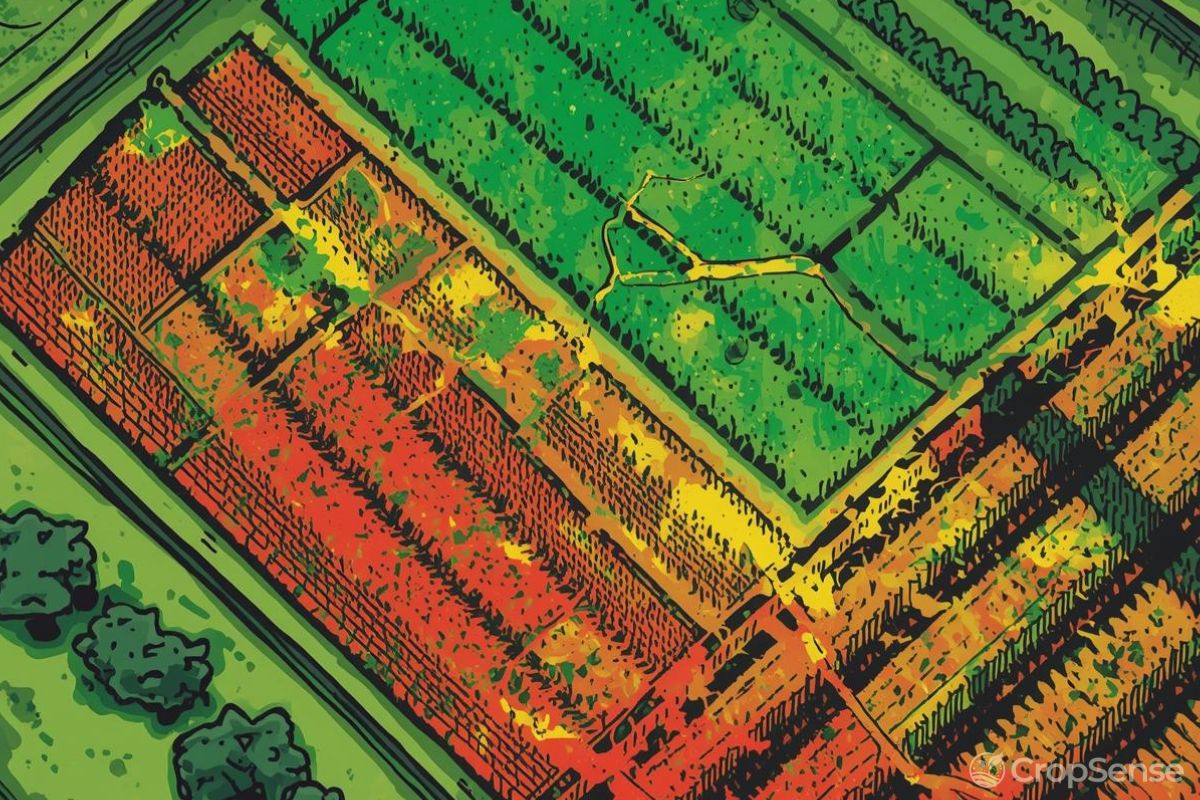
By integrating IoT device data with AI models, satellite imagery, and historical patterns, CropSense helps farmers to:
- Predict yield and performance
- Detect risks before they occur
- Receive real-time recommendations
- Make data-driven decisions with confidence
IoT gives your farm a voice. AI gives it intelligence.
Final Thoughts
Smart farming is no longer a luxury reserved for large industrial farms. With the right IoT tools, even small and medium-scale farmers can transform their operations, reduce losses, and increase profitability.
The farms that will succeed in the next decade are not just the biggest — they are the smartest. If you're ready to take your farm to the next level, start with one device, then scale. Intelligence grows step by step.