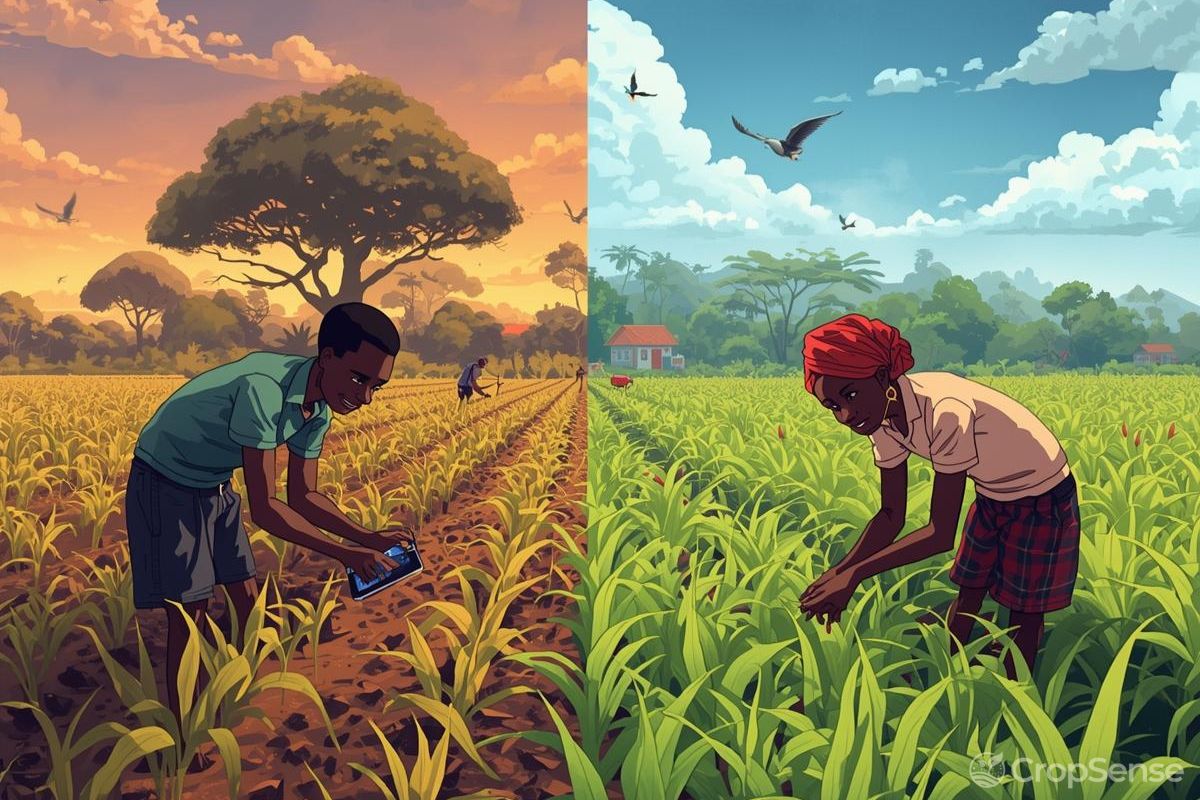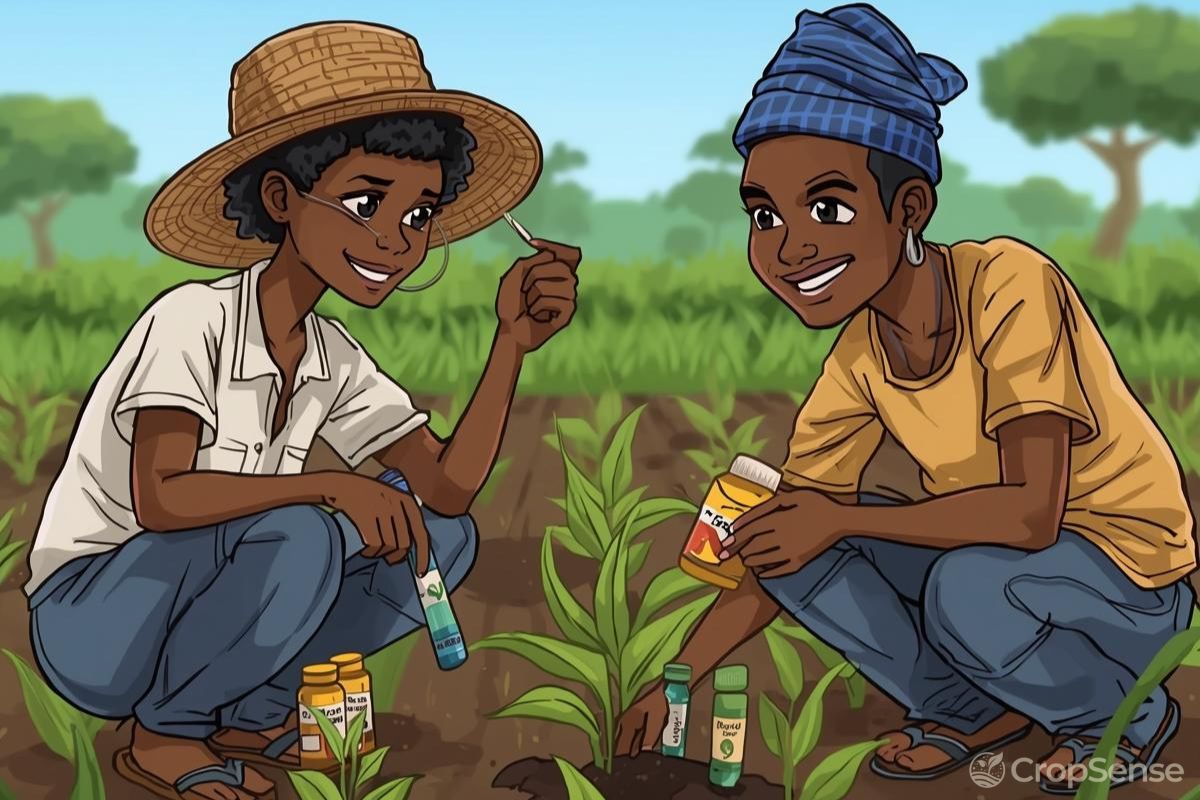
Building Climate Resilience: Practical Strategies for African Farmers
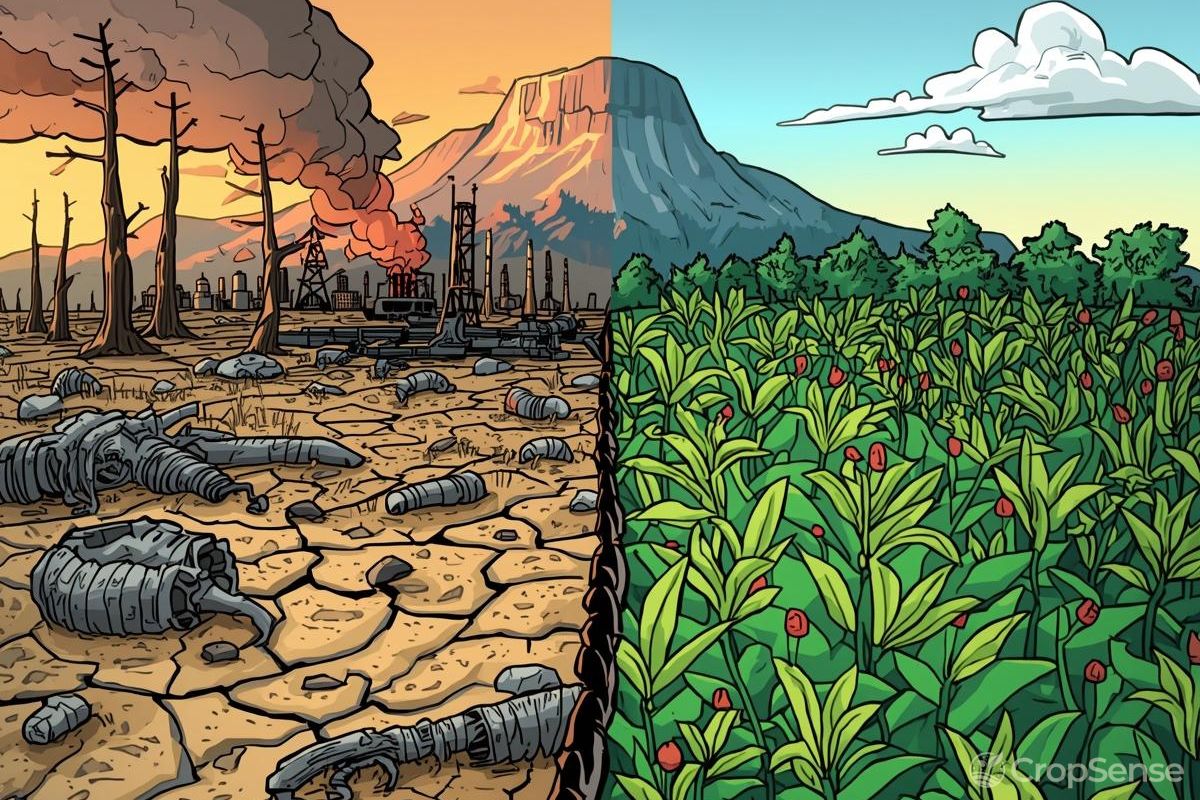
Climate change is no longer a distant threat to African agriculture — it is already reshaping growing seasons, rainfall patterns, soil health, and crop productivity across the continent.
From prolonged droughts in the Sahel to flooding in coastal West Africa and unpredictable rainfall in East Africa, farmers are being forced to adapt fast. The key question is no longer if climate change will affect farms, but how prepared farmers are to respond to it.
Climate-resilient agriculture is the ability to anticipate, adapt to, and recover from climate-related shocks while maintaining or increasing productivity. For African farmers, this resilience is both a survival strategy and a growth opportunity.
Here are practical, proven strategies farmers can adopt to build stronger, more climate-resilient farms.
1. Diversify Crops to Reduce Risk
One of the easiest ways to reduce climate-related risk is to stop relying on a single crop.
Growing different crops on the same farm spreads risk and improves stability. If one crop fails due to drought, pests, or floods, others may still survive. Crop diversity also improves soil health and reduces pest pressure.
Examples of smart diversification include:
- Mixing drought-tolerant crops (millet, sorghum) with cash crops (maize, vegetables)
- Intercropping legumes with cereals to improve soil fertility
- Introducing high-value, short-cycle crops like vegetables to balance longer-cycle crops
Diversification equals protection. It creates multiple sources of income and food even under unpredictable weather conditions.
2. Improve Soil Health and Structure
Healthy soil is more resilient to climate extremes. It holds water better during drought, drains better during heavy rainfall, and supports stronger, deeper root systems.
Key soil resilience practices include:
- Using organic manure and compost to increase soil organic matter
- Practicing crop rotation to prevent nutrient depletion
- Minimizing tillage to reduce erosion
- Mulching to reduce moisture loss and regulate soil temperature
These simple techniques can significantly increase your soil’s ability to survive dry spells and absorb excessive rain. Healthy soil is your farm’s first line of defense against climate stress.
3. Harvest, Store, and Manage Water Wisely
As rainfall becomes more unpredictable, the ability to capture and conserve water is becoming critical.
Climate-smart water management strategies include:
- Rainwater harvesting using tanks or reservoirs
- Building contour bunds, trenches, or ridges to reduce runoff
- Using drip irrigation or smart irrigation systems to reduce waste
- Scheduling irrigation based on soil moisture data instead of guesswork
Even small water storage systems can help farmers survive long dry periods and stabilize crop production. Water management is not about having more water — it is about using every drop more efficiently.
4. Adopt Climate-Smart Crop Varieties
Today, researchers and seed companies offer crop varieties developed specifically to survive climate stress. This include:
- Drought-tolerant varieties
- Flood-resistant rice
- Heat-tolerant maize
- Early-maturing crops to avoid rainy-season extremes
Adopting climate-smart seeds gives crops a better chance of survival, even when conditions are not ideal. While traditional seeds are valuable, combining them with improved varieties can significantly increase resilience and yield stability.
5. Use Technology to Anticipate Climate Risks
Technology is becoming one of the most powerful tools in building climate resilience. With platforms like CropSense AI, farmers can:
- Receive rainfall and drought forecasts
- Monitor soil moisture and crop health in real time
- Detect early signs of stress or disease
- Get personalized recommendations for planting, irrigation, and fertilizer use
Instead of reacting to disasters, farmers can now anticipate them. This shift from reactive farming to proactive farming is the real power of digital agriculture.
6. Practice Agroforestry and Natural Buffering
Planting trees on and around farms creates natural protection against climate extremes. Trees help to:
- Reduce wind damage
- Improve soil structure
- Increase moisture retention
- Provide shade against extreme heat
- Improve biodiversity
Agroforestry systems combine crops, trees, and sometimes livestock in a sustainable way. They don’t just protect the farm; they make it more productive in the long run. Nature itself is one of the most effective climate-resilience tools.
7. Strengthen Community and Knowledge Sharing
Climate resilience is stronger when farmers work together. Community-based strategies include:
- Sharing weather information
- Cooperating on water management systems
- Learning new techniques from other farmers
- Accessing cooperative funding and insurance schemes
The more connected and informed a farming community is, the faster it can adapt to changing conditions. Knowledge is just as important as technology.
Final Thoughts: Resilience is the Future of Farming
African farmers are already some of the most resilient in the world. However, the challenges of climate change require more than strength — they require strategy, innovation, and data-driven decisions.
Climate-smart agriculture is not about abandoning traditional practices. It is about combining generations of wisdom with modern tools to create farms that can survive and thrive in a changing world.
The future of farming in Africa will not belong to the strongest farmers — it will belong to the most adaptable ones. And resilience is adaptability in action.