How to Succeed in Greenhouse Farming: 5 Expert Tips for Beginners
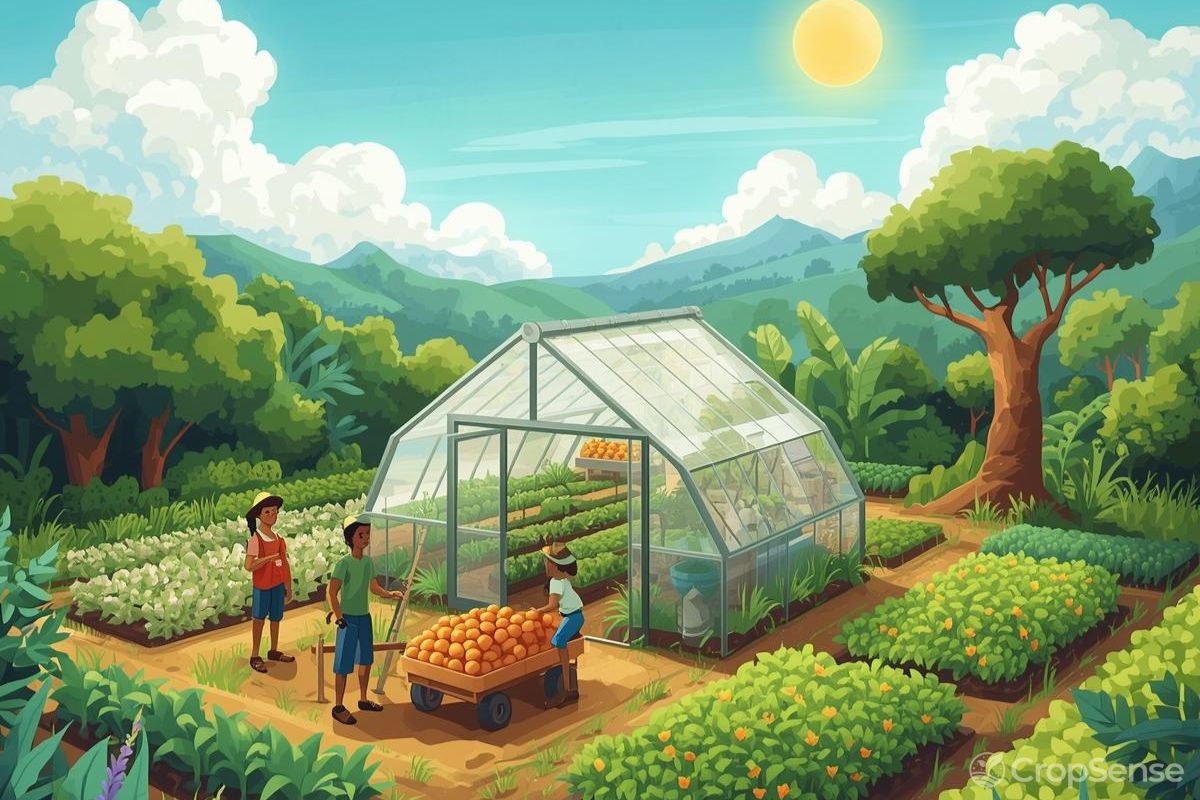
Greenhouse farming is quickly becoming one of the most reliable ways for farmers to grow crops consistently in an unpredictable climate. Across Africa and beyond, rising temperatures, erratic rainfall, and soil degradation are pushing growers to seek more controlled and sustainable production systems. For beginners, a greenhouse offers a powerful opportunity to protect crops, improve yields, and extend growing seasons. However, true success depends on making the right decisions from the very beginning.
This guide explores five essential factors that every beginner must understand before setting up or expanding a greenhouse. From location and materials to climate control, crop selection, and water management, mastering these fundamentals will lay the foundation for long-term productivity and profitability.
1. Choosing the Right Location
Selecting the right location is one of the most critical decisions in greenhouse farming. A well-sited greenhouse should receive maximum sunlight throughout the day, as most crops require between six and eight hours of direct sunlight for healthy growth. Ideally, the structure should be positioned in an open area, free from shade created by buildings or tall trees. Good airflow around the greenhouse is also important, as it helps prevent excessive heat buildup and reduces the risk of disease caused by stagnant, humid air.
In addition to sunlight and airflow, accessibility and safety are equally important considerations. The greenhouse should be located close to a reliable water source to simplify irrigation and reduce the cost of pumping or transporting water. It should also be placed in an area that is protected from strong winds and flooding. Areas with slight elevation or proper drainage systems are better suited, as standing water around the greenhouse can weaken the structure and affect crop health over time.
2. Investing in Quality Materials
The strength and durability of your greenhouse depend largely on the quality of the materials used in its construction. A greenhouse is an investment, not a temporary structure, and using substandard materials may lead to frequent repairs, crop losses, and higher long-term costs. The frame should be made of durable materials such as galvanized steel or treated wood to withstand wind, rain, and heat. The covering, whether polyethylene, polycarbonate, or glass, must be strong enough to resist tearing while still allowing adequate light to pass through.
Quality materials also play a major role in temperature regulation and moisture control inside the greenhouse. Poor-quality coverings may lose heat quickly at night or allow too much heat during the day, creating stressful conditions for plants. Investing in UV-protected films, reinforced frames, and proper sealing helps create a more stable microclimate. Over time, this stability leads to healthier plants, lower maintenance costs, and more consistent harvests.
3. Controlling Temperature and Humidity
One of the greatest advantages of greenhouse farming is the ability to control temperature and humidity. However, this control does not happen automatically. If temperatures become too high, plants can suffer from heat stress, slow growth, and even death. If temperatures drop too low, especially at night, crops may stop growing or become more vulnerable to diseases. Understanding the ideal temperature range for your crops and having systems in place to maintain it is essential for success.
Humidity management is just as important as temperature control. Excessive humidity creates an ideal environment for fungal diseases such as mildew and blight, while low humidity can cause plants to dry out and become weak. Proper ventilation, fans, shade nets, and misting or heating systems can be used to balance these conditions. When combined with smart sensors and automation, farmers can maintain optimal growing conditions even when they are not physically present.
4. Selecting Suitable Crops
Not every crop performs well in a greenhouse environment, and choosing the right crops is key to achieving good returns. High-value crops with strong market demand tend to be the most profitable options. Vegetables such as tomatoes, peppers, cucumbers, leafy greens, herbs, and strawberries are among the most popular choices because they grow well in controlled environments and have relatively short production cycles.
Beyond market value, it is important to consider the specific climate needs of each crop. Temperature range, humidity tolerance, light requirements, and space for growth should all be evaluated before planting. Beginners often find more success by starting small with one or two crop types before expanding to others. This allows them to understand the behavior of the plants and improve their management strategies over time.
5. Maintaining Proper Irrigation
Water management inside a greenhouse must be accurate and consistent. Unlike open fields, rainfall does not enter a greenhouse, so every drop of water must be supplied manually or through an irrigation system. Both overwatering and underwatering can damage crops. Too much water can cause root rot and encourage disease, while too little can lead to stunted growth, wilting, and poor yields.
The most effective greenhouse farmers rely on controlled irrigation methods such as drip systems, which deliver water directly to the root zone in precise amounts. When combined with soil moisture sensors, irrigation can be scheduled based on real plant needs rather than guesswork. This not only conserves water but also promotes healthier root development and stronger plants. With intelligent platforms like CropSense AI, farmers can even receive data-driven recommendations to further optimize water use and improve productivity.
Final Thoughts
Greenhouse farming offers a powerful pathway to food security, stable income, and climate resilience for farmers willing to do it right. Success is not based on the size of the greenhouse, but on the quality of decisions made in planning, construction, crop selection, and daily management. When the fundamentals are strong, a greenhouse can become one of the most profitable and reliable assets on a farm.
For beginners, the journey starts with understanding these core principles and gradually applying smarter techniques and technologies. With the right approach, greenhouse farming is not just a method of production; it is a long-term investment in the future of agriculture.